
Visit Óbidos from Casa Oppidum
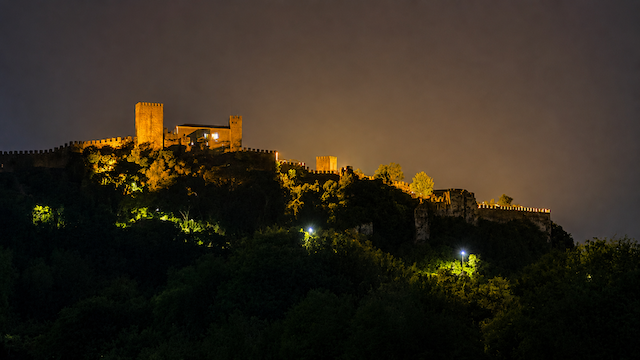
Discover One of Portugal’s Most Beautiful Medieval Towns
Óbidos is one of the most charming places to visit on Portugal’s Silver Coast. Set on a hilltop close to the Atlantic Ocean, this beautifully preserved medieval town is known for its castle walls, whitewashed houses, cobbled streets, flower-filled windows, churches, small squares, local shops, and romantic atmosphere.
From Casa Oppidum, Visit Óbidos is an easy and unforgettable day trip. Whether you want to walk along the ancient town walls, explore the castle, enjoy local food and wine, or simply wander through the narrow streets, Óbidos offers one of the most authentic experiences in Central Portugal.
For guests staying at Casa Oppidum, Visit Óbidos is more than a place to visit. It is part of the rhythm of the Silver Coast: historic, peaceful, photogenic, and full of character.
A Medieval Town Full of History
Óbidos has a long and fascinating history. Its position on high ground gave it strategic importance for centuries. The town was already settled before Roman times and later became closely connected to Portuguese royalty.
In the 13th century, King Dinis offered Óbidos to Queen Isabel. After that, the town became part of the Casa das Rainhas, or Queens’ Estate. Over the centuries, several queens helped improve and enrich the town. This royal connection is one reason why Óbidos has so many churches, monuments, and historic buildings within a relatively small area.
Today, Visit Óbidos still feels like a living medieval village. The castle, walls, churches, old gates, and traditional houses create a setting that feels both historic and welcoming.
The Origin of the Name Óbidos
The name Óbidos has deep historical roots. It is believed to come from the Latin word oppidum, meaning a fortified town, walled settlement, or citadel. That name fits Óbidos perfectly. Long before it became one of the most beautiful medieval villages in Portugal, this hilltop location was valued for its defensive position, overlooking the surrounding countryside and routes between the coast and the interior.
The story of Óbidos goes back even further than the Middle Ages. The area was inhabited during ancient times and later shaped by Celtic, Roman, Visigothic, Moorish, and Portuguese influences. The Romans developed the nearby settlement of Eburobrittium, while the Moors later fortified the hilltop position. In 1148, Óbidos was taken by Portugal’s first king, Afonso Henriques, and became part of the young Portuguese kingdom.
In 1282, King Dinis offered Óbidos to Queen Isabel as a wedding gift. From that moment, the town became closely connected to the queens of Portugal and was later known as part of the “Town of Queens” tradition. This royal history helped preserve and enrich Óbidos, giving the town many of the churches, monuments, walls, gates, and historic buildings visitors can still enjoy today.
For guests staying at Casa Oppidum, this history gives the region extra meaning. The name Casa Oppidum is inspired by this same idea of a protected, peaceful place: a private retreat close to the walled town of Óbidos, where history, comfort, and the Silver Coast landscape come together.
Walk the Castle Walls
One of the best things to do when visit Óbidos is to climb the town walls. From the top, you get beautiful views over the red rooftops, narrow streets, surrounding countryside, and distant Atlantic landscape.
The walk is not just about the view. It gives you a real sense of how the town was built for defence, with its castle, gates, towers, and high walls surrounding the historic centre. For visitors who love photography, architecture, and history, this is one of the highlights when visit Óbidos.
Good shoes are recommended, as the walls can be uneven in places.
Explore the Streets of Óbidos
Inside the walls, Óbidos is made for slow wandering. You can walk through narrow lanes, discover quiet corners, browse small shops, and enjoy the details that make the town so special: white houses with blue and yellow accents, colourful flowers, stone archways, tiled façades, and traditional doorways.
The main street is lively, but the smaller side streets are often quieter and more atmospheric. This makes visit Óbidos ideal for a relaxed morning or afternoon visit from Casa Oppidum.
Churches, Museums, and Landmarks
With several important landmarks it is worth visit Óbidos. The Igreja de Santa Maria is one of the town’s main churches and stands in one of its most attractive squares. Other places of interest include the Misericórdia Church, the Church of São Pedro, the Pillory, the Aqueduct, and the round-shaped Santuário do Senhor Jesus da Pedra, located just outside the walls.
The Municipal Museum of Óbidos is also worth a visit. It includes works connected to Josefa de Óbidos, one of Portugal’s most important 17th-century painters. Her work gives extra cultural depth to a visit and shows that Óbidos is not only beautiful, but also artistically important.
Taste Ginja de Óbidos
Visit Óbidos is not complete without tasting ginja de Óbidos. This traditional sour cherry liqueur is often served in a small chocolate cup. You will find it in many shops and cafés throughout the town.
It is one of the most famous local specialities and a simple, fun way to experience the flavour of Óbidos. For many visitors, drinking ginja in a chocolate cup becomes one of those small holiday memories that sticks.
Events in Óbidos
Óbidos is peaceful for much of the year, but it also hosts several well-known events. The Medieval Market (July) brings the town’s historic setting to life with costumes, food, music, and traditional entertainment. The International Chocolate Festival (March) is another popular event, especially for families and food lovers.
In winter (December), Óbidos Vila Natal transforms the town into a Christmas village with lights, decorations, and seasonal activities. The town is also known for literary and cultural events, including FOLIO (October), the Óbidos International Literary Festival. Since 2015, Óbidos has been recognised as a UNESCO Creative City of Literature.
Because of these events, visit Óbidos is worth in every season.
Beaches Near Óbidos
One of the best things about visit Óbidos is the mix of history and coast. After visit Óbidos medieval town, you can continue to nearby beaches and lagoon landscapes.
Praia d’El Rey is a long sandy beach known for its Atlantic views and nearby golf course. Foz do Arelho is another beautiful place to visit, where Lagoa de Óbidos meets the ocean. It is ideal for a seafood lunch, a beach walk, or a sunset by the water.
The Óbidos Lagoon is perfect for slower days, nature views, water activities, and family-friendly beach time. From Casa Oppidum, you can easily combine Óbidos, Foz do Arelho, Lagoa de Óbidos, and the wider Silver Coast in one relaxed itinerary.
Caldas da Rainha and the Local Region
Close to Óbidos, Caldas da Rainha offers a more local Portuguese atmosphere. It is known for its daily market, ceramics, cafés, shops, restaurants, and Parque Dom Carlos I. It is a great place to experience everyday life on the Silver Coast.
Together, Óbidos and Caldas da Rainha give visitors a perfect balance: medieval beauty, local culture, fresh food, markets, beaches, and easy access to the coast.
Stay Near Óbidos at Casa Oppidum
Casa Oppidum is a peaceful private holiday home on Portugal’s Silver Coast, perfectly placed for discovering Óbidos and the surrounding region. After a day of exploring castle walls, historic streets, beaches, markets, and local restaurants, you can return to your own private space with a swimming pool, garden, terrace, kitchen, WiFi, air conditioning, and panoramic views.
For couples, families, remote workers, and guests planning a longer stay, Casa Oppidum is an ideal base for visit Óbidos, Caldas da Rainha, Foz do Arelho, Lagoa de Óbidos, Nazaré, Peniche, São Martinho do Porto, and the wider Costa de Prata.
Visit Óbidos brings the history. The Silver Coast brings the sea. Casa Oppidum brings it all together.